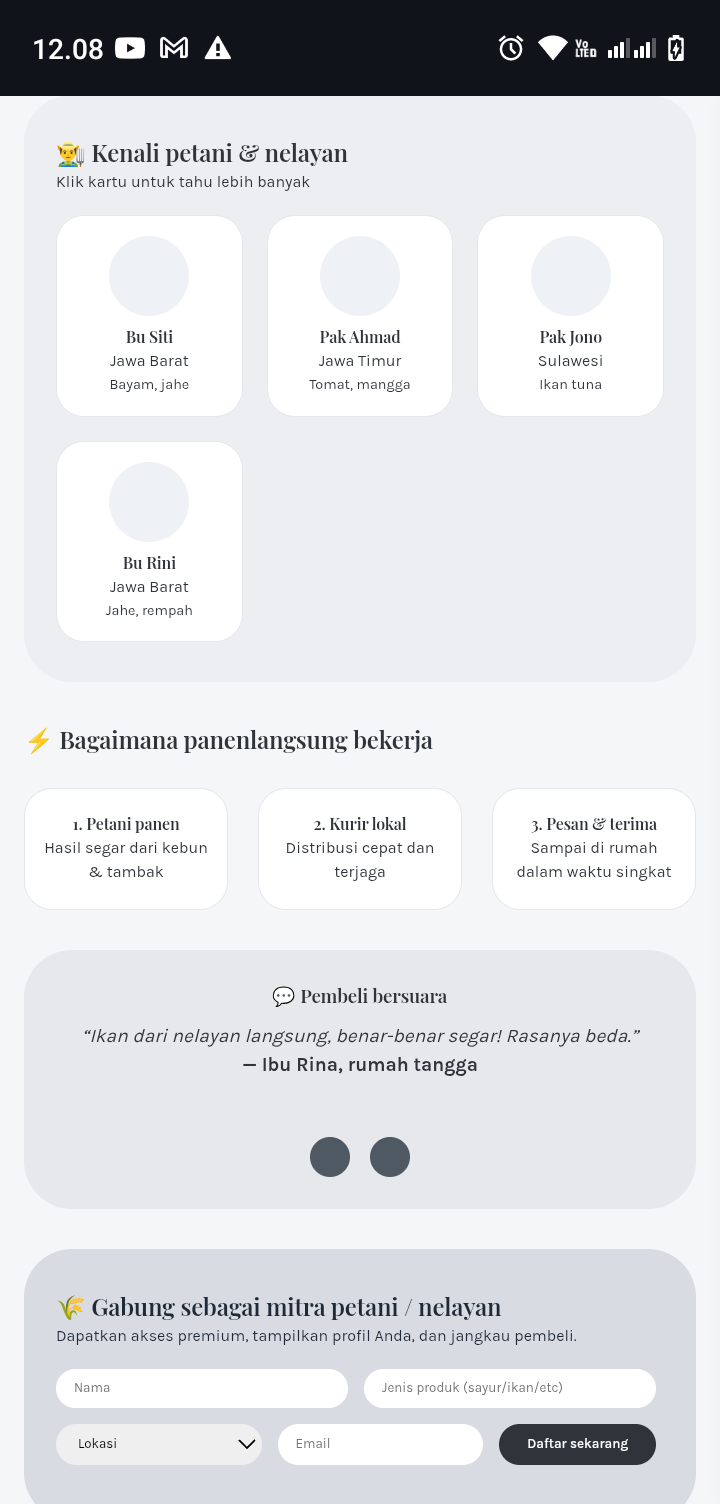
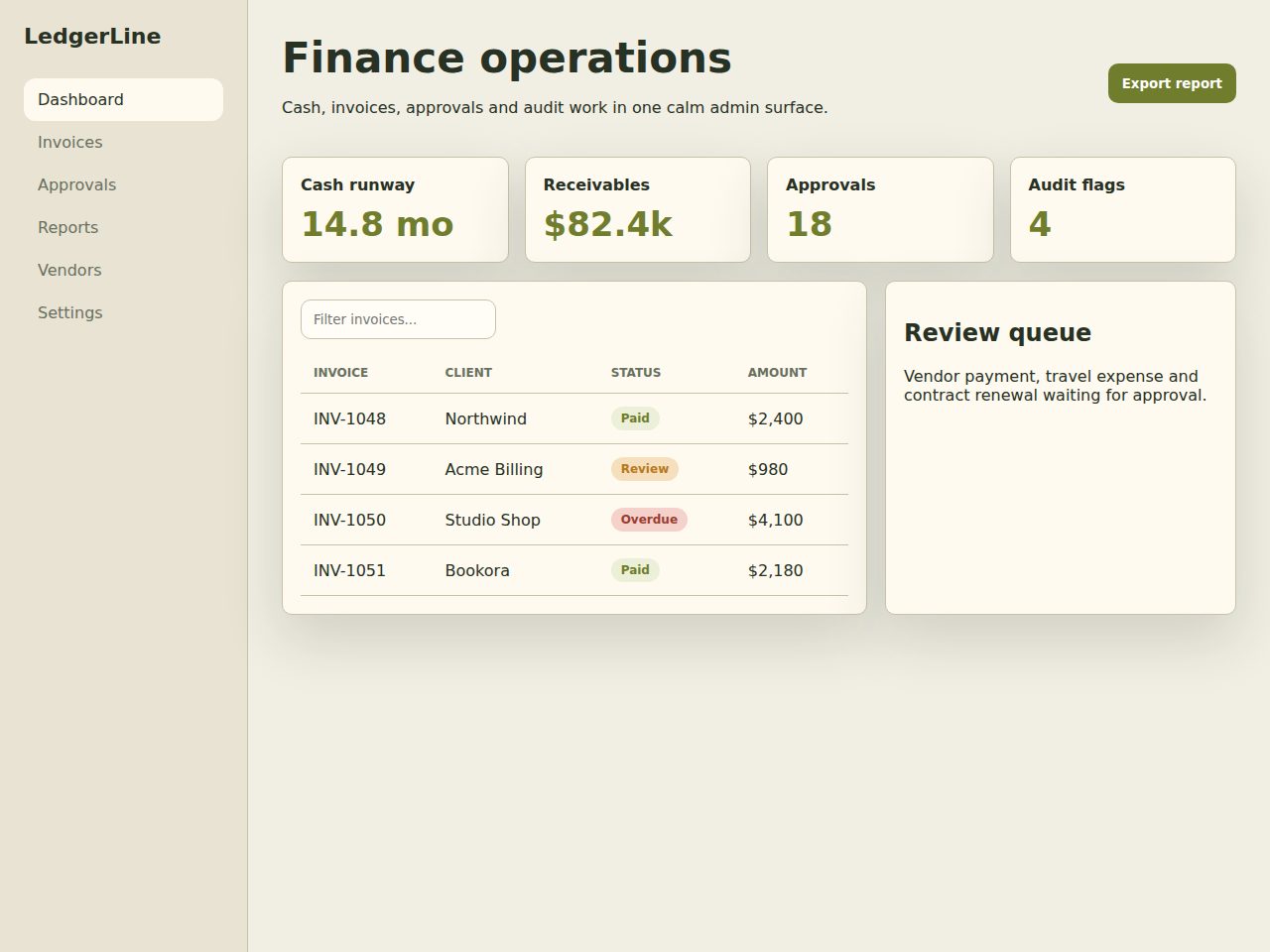
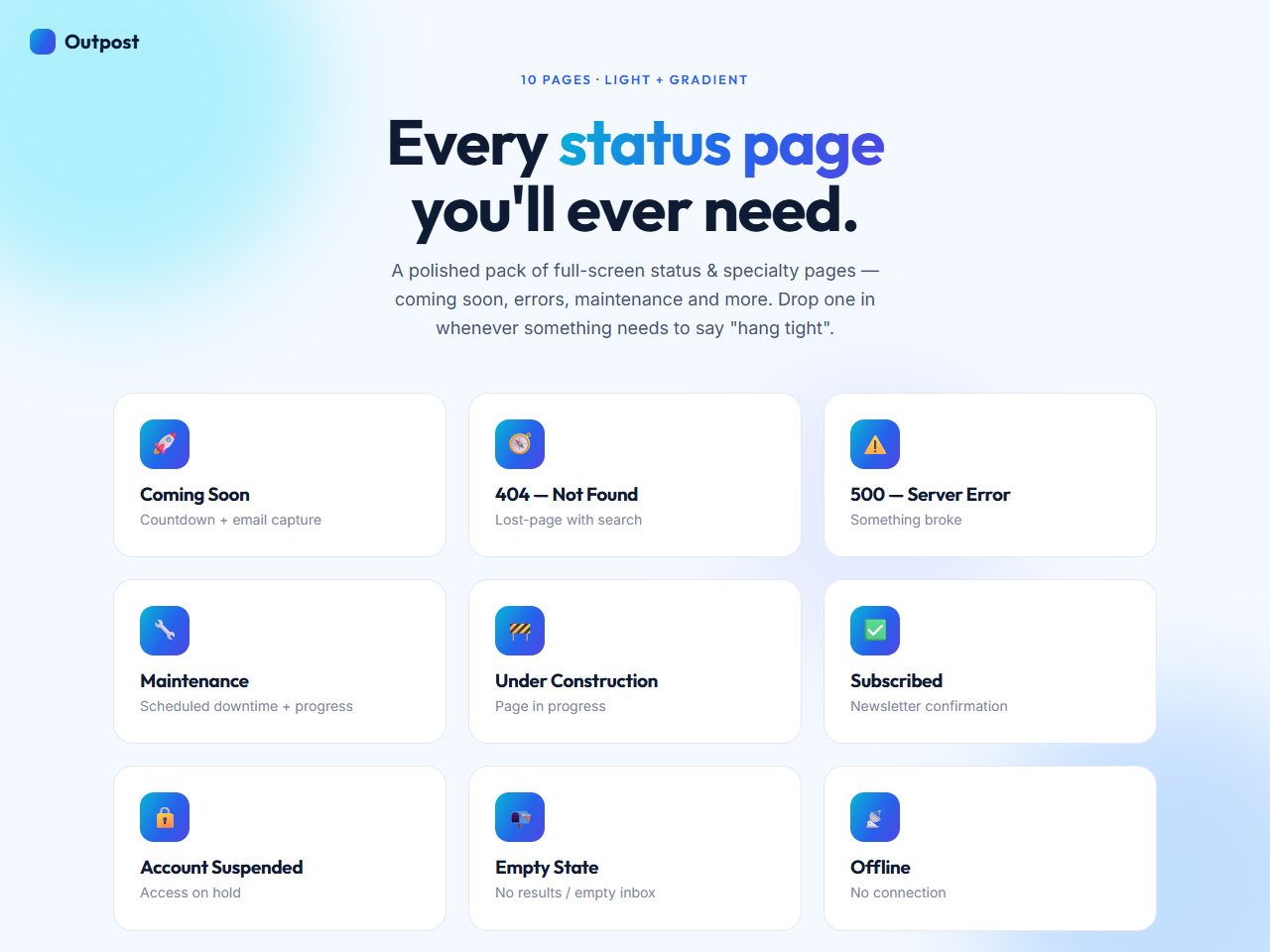
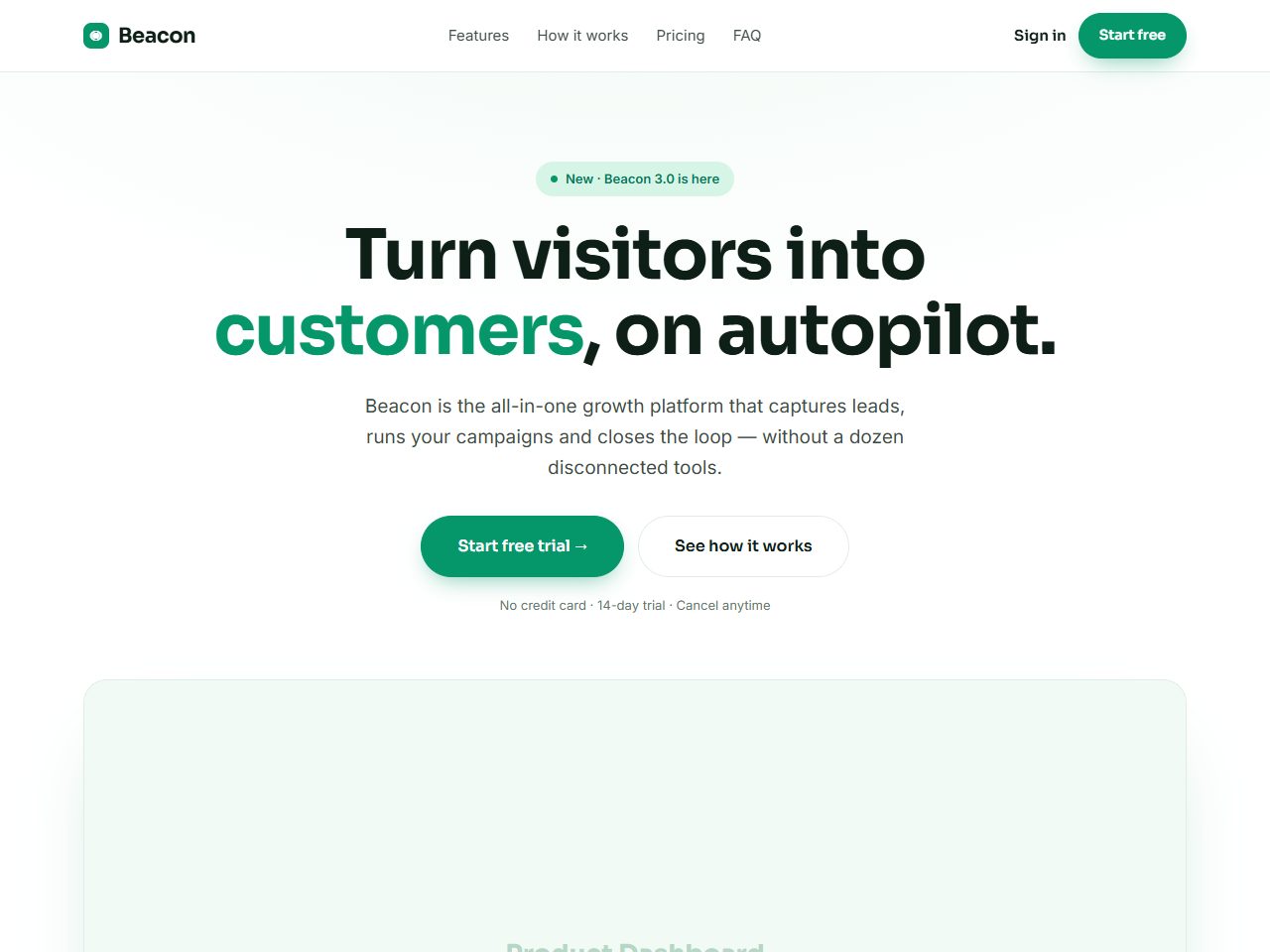
A good HTML SaaS template gets your product site or dashboard live in hours instead of weeks. This guide explains what to look for in a SaaS template, compares your build options, and links to responsive, ready-to-customise picks built on clean HTML5 and CSS.
By The esdecode editorial team·Published
Why start from an HTML SaaS template?
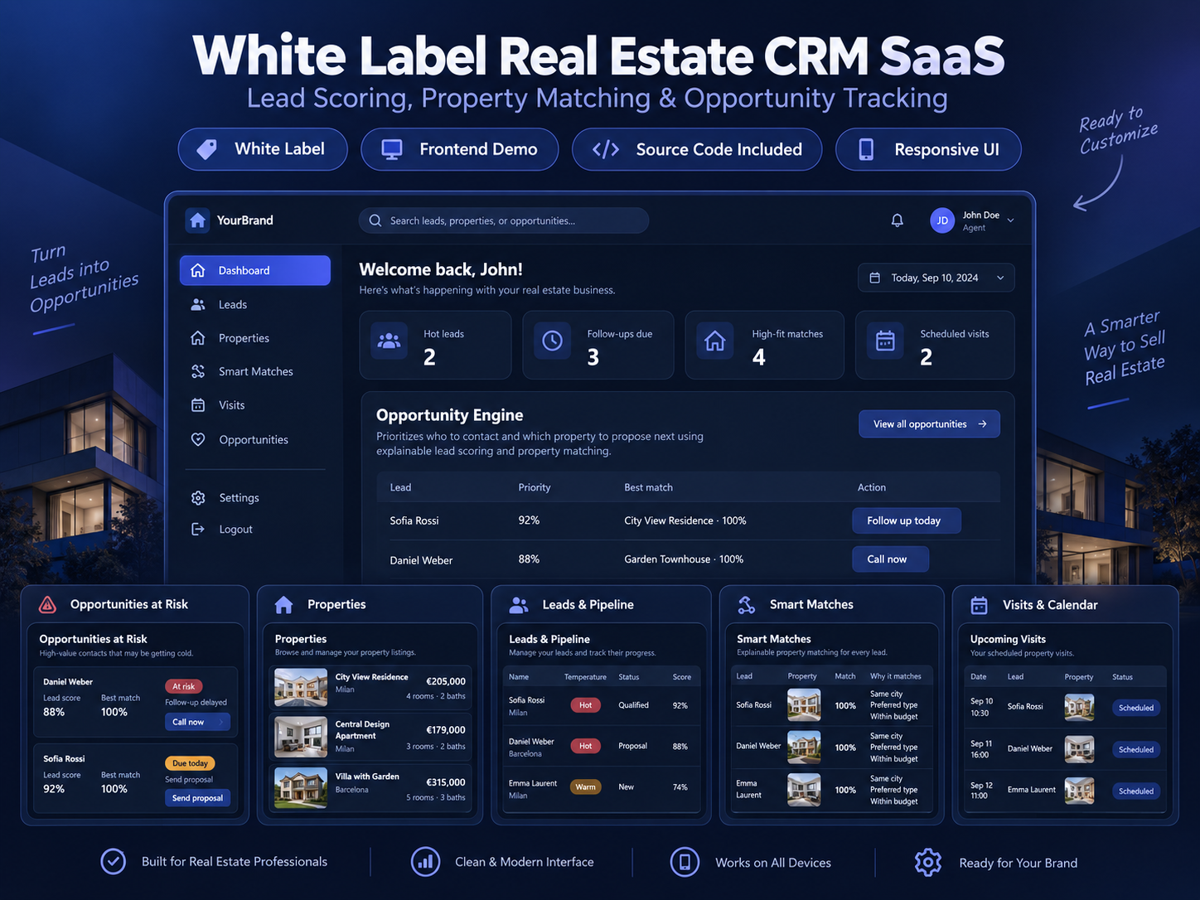
Every SaaS needs the same surfaces: a marketing landing page, pricing, auth screens and an app dashboard. Rebuilding those from scratch wastes the time you should spend on your actual product. A well-made HTML SaaS template gives you all of it — responsive layouts, reusable components and a consistent design system — on clean HTML5, CSS3 and lightweight vanilla JavaScript, with no heavy build pipeline to fight.
Because the markup is framework-agnostic, you can ship it as a static site, drop it into a server-rendered app, or wire it into React, Vue or Next.js later. You're not locked into anyone's framework or toolchain.
What to look for
Responsive, tested layouts. Mobile-first, checked across breakpoints and major browsers.
A real component library. Cards, tables, forms, modals, pricing blocks and navigation that share a consistent style.
Clean, organised code. Semantic HTML, well-structured CSS and clear documentation so you (or your team) can re-theme it quickly.
The pages you actually need. Landing, pricing, login/signup, dashboard and settings at minimum.
HTML SaaS template vs. page builder vs. custom design
Factor
HTML template
Page builder
Custom design
Cost
Low (one-time)
Monthly
High
Time to launch
Hours
Hours
Weeks
Performance
Excellent
Often heavy
Depends
Code ownership
Full
Locked in
Full
Customisable
Fully
Within limits
Fully
Framework lock-in
None
High
None
How we choose
Picks are selected from the esdecode catalogue by relevance to this topic, then ranked by sales and customer rating. Every product listed here is sold on esdecode — we don't feature third-party affiliate links, and the live grid updates as the catalogue changes. Any external prices or competitor terms mentioned are noted with the date they were checked.
The fastest path: pick a template whose structure matches your product, replace the copy and brand colours, swap the logo and imagery, then connect forms and auth to your back end. A SaaS template pairs naturally with a self-hosted API from Laravel scripts or a Node.js boilerplate, so your marketing site and app share one visual language.
Performance and SEO
Static HTML templates are fast by default — no framework runtime, minimal JavaScript and clean markup — which helps Core Web Vitals and search rankings. Keep images optimised, defer non-critical scripts, and you'll have a marketing site that loads instantly and ranks well.
No. They use plain HTML5, CSS3 and vanilla JavaScript, so you can open and edit them directly. Some include an optional build setup, which is documented when present.
Can I use an HTML template with React or Vue?
Yes. The clean, framework-agnostic markup can be integrated into React, Vue, Next.js or any server-side framework. Related products make conversion easier.
Are the templates responsive?
Yes. Quality SaaS templates are mobile-first and tested across breakpoints and major browsers, so they look right on every device.
What pages should a SaaS template include?
At minimum a landing page, pricing, login/signup and a dashboard with settings. The product description lists exactly which pages and components are included.
Is a commercial license included?
Yes. Each template includes a license for use in your projects. Review the license tab for single versus extended usage rights.