A Laravel e-commerce script gives you a complete online store — catalogue, cart, checkout and admin — that you host and own outright, with no transaction fees on top. This guide explains what to look for and links to vetted, self-hosted Laravel picks.
By The esdecode editorial team·Published
Why a self-hosted Laravel store?
Hosted store platforms take a monthly fee and often a cut of every sale, and they limit how far you can customise the checkout. A self-hosted Laravel e-commerce script removes both: a one-time purchase, your own hosting, no transaction tax from the platform, and full control over the catalogue, cart and checkout because the source is yours. Built on Laravel's MVC structure and Eloquent ORM, it's straightforward to add a gateway, change tax rules, or extend the product model.
These scripts range from single-seller stores to full multi-vendor marketplaces with commissions and seller payouts. Decide which you need first — a marketplace is far more complex than a single shop — then match the script's architecture to it. Browse the PHP e-commerce and shopping cart categories to compare.
What to look for
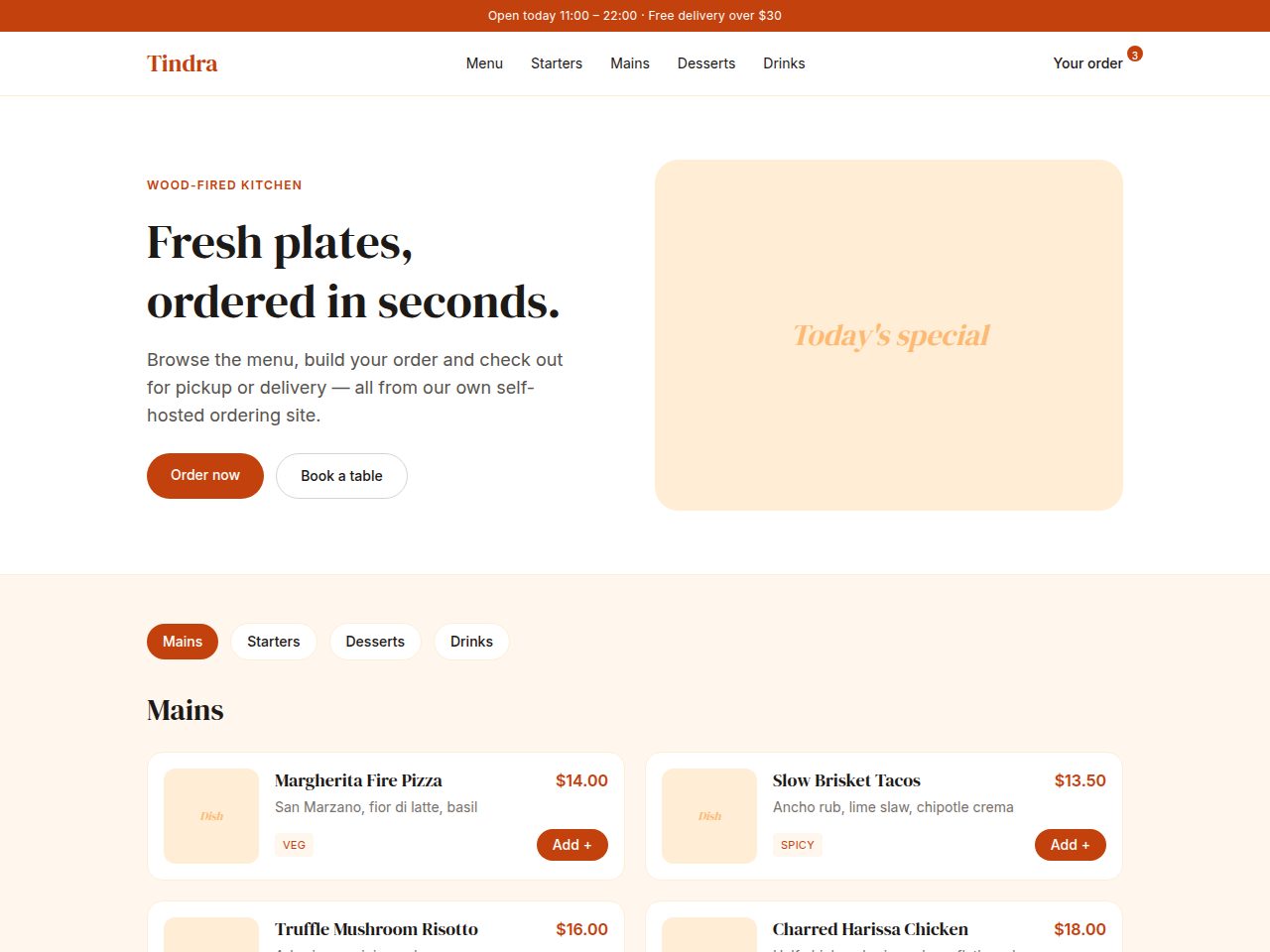
Catalogue and variants. Categories, product options, inventory and pricing rules that fit your range.
Checkout and payments. Stripe/PayPal, tax/VAT handling, coupons and order status workflow.
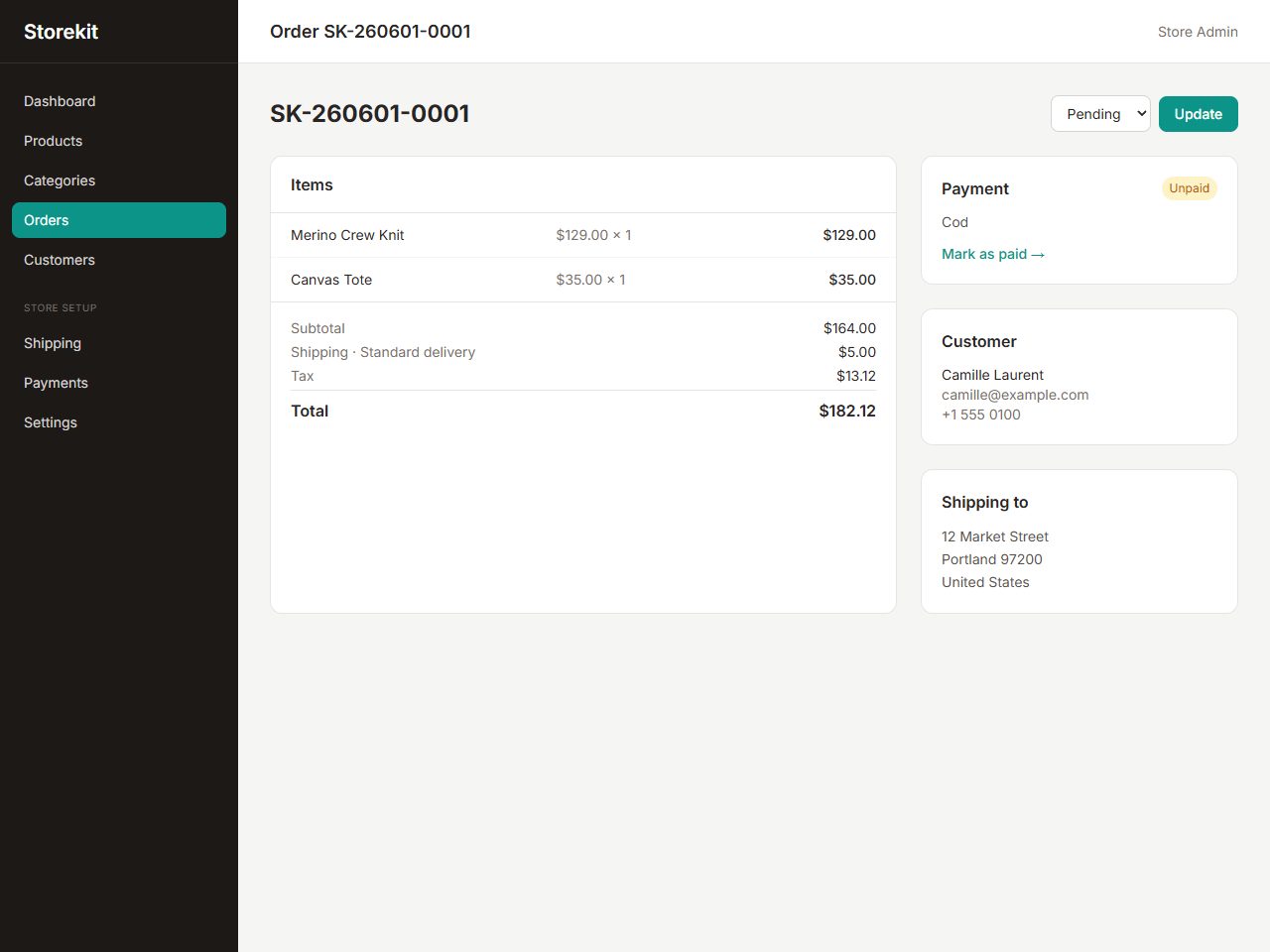
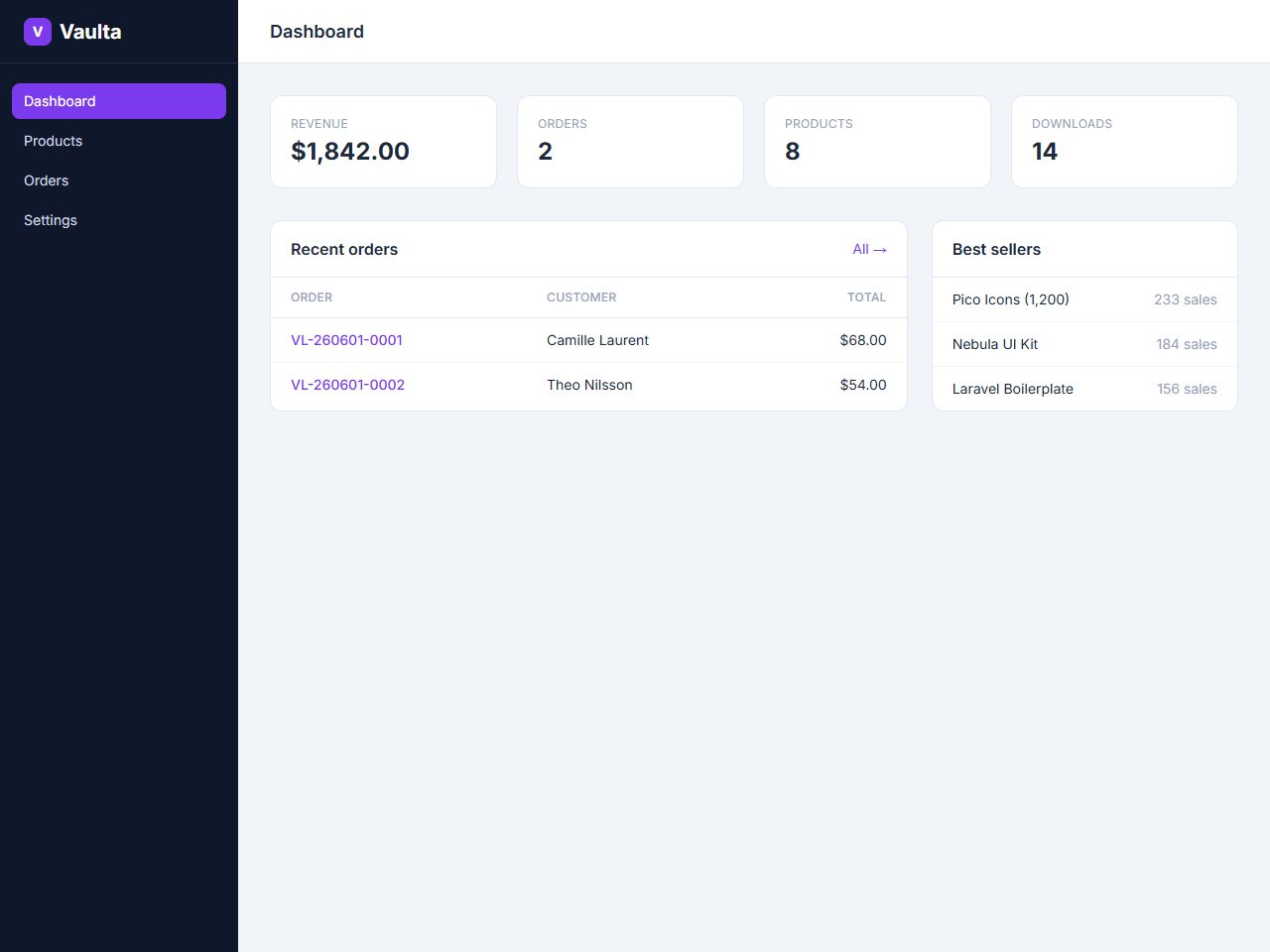
Admin and reporting. Order management, refunds, customers and sales reports.
Readable, unencrypted code. So you can re-theme the storefront and extend the checkout without hitting a wall.
At a glance
Laravel e-commerce script vs. hosted store vs. open-source platform
Factor
Laravel script
Hosted store
Open-source platform
Upfront cost
Low (one-time)
None
None–low
Ongoing cost
Hosting only
Monthly + sales fee
Hosting
Transaction fees
Gateway only
Platform + gateway
Gateway only
Customisable
Full source
Theme/app limits
Full but heavier
Data ownership
Full
Vendor's
Full
Time to launch
Days
Hours
Weeks
How we choose
Picks are selected from the esdecode catalogue by relevance to this topic, then ranked by sales and customer rating. Every product listed here is sold on esdecode — we don't feature third-party affiliate links, and the live grid updates as the catalogue changes. Any external prices or competitor terms mentioned are noted with the date they were checked.
A single-seller store is the simpler, faster launch: one catalogue, one payout, one admin. A multi-vendor marketplace adds seller accounts, commission logic and split payouts (proper Stripe destination charges or transfers — not a "collect to one account" hack), plus moderation. If money moves between buyers and multiple sellers, budget for that complexity and verify the payments architecture before buying. The pillar guide on the best PHP scripts for marketplaces goes deeper.
Deployment
Standard Laravel requirements apply: PHP 8.1+, Composer, MySQL/MariaDB and a LAMP/LEMP stack. Set your gateway and mail keys in .env, run php artisan migrate --seed, and point the server at public/. See the Laravel installation guide for the full walkthrough.
A complete, self-hosted online store built on the Laravel framework. You get the full source and database, so you own the catalogue, orders and customer data and pay no platform sales fee — just your hosting and payment gateway.
Does it support multi-vendor / marketplace selling?
Some scripts are single-seller stores; others are full marketplaces with seller accounts, commissions and split payouts. Confirm which model a product targets before buying.
Which payment gateways are supported?
Most include Stripe and/or PayPal, often with coupons and tax/VAT handling. The exact gateways and features are listed on each product page.
What server do I need?
Typically PHP 8.1 or newer, Composer, a MySQL/MariaDB database and a standard LAMP or LEMP stack. Each product lists its exact requirements.
Can I customise the storefront?
Yes — that's the point of owning the source. Quality scripts ship unencrypted, documented Laravel code so you can re-theme the storefront and extend the checkout.